
No products in the cart.
new
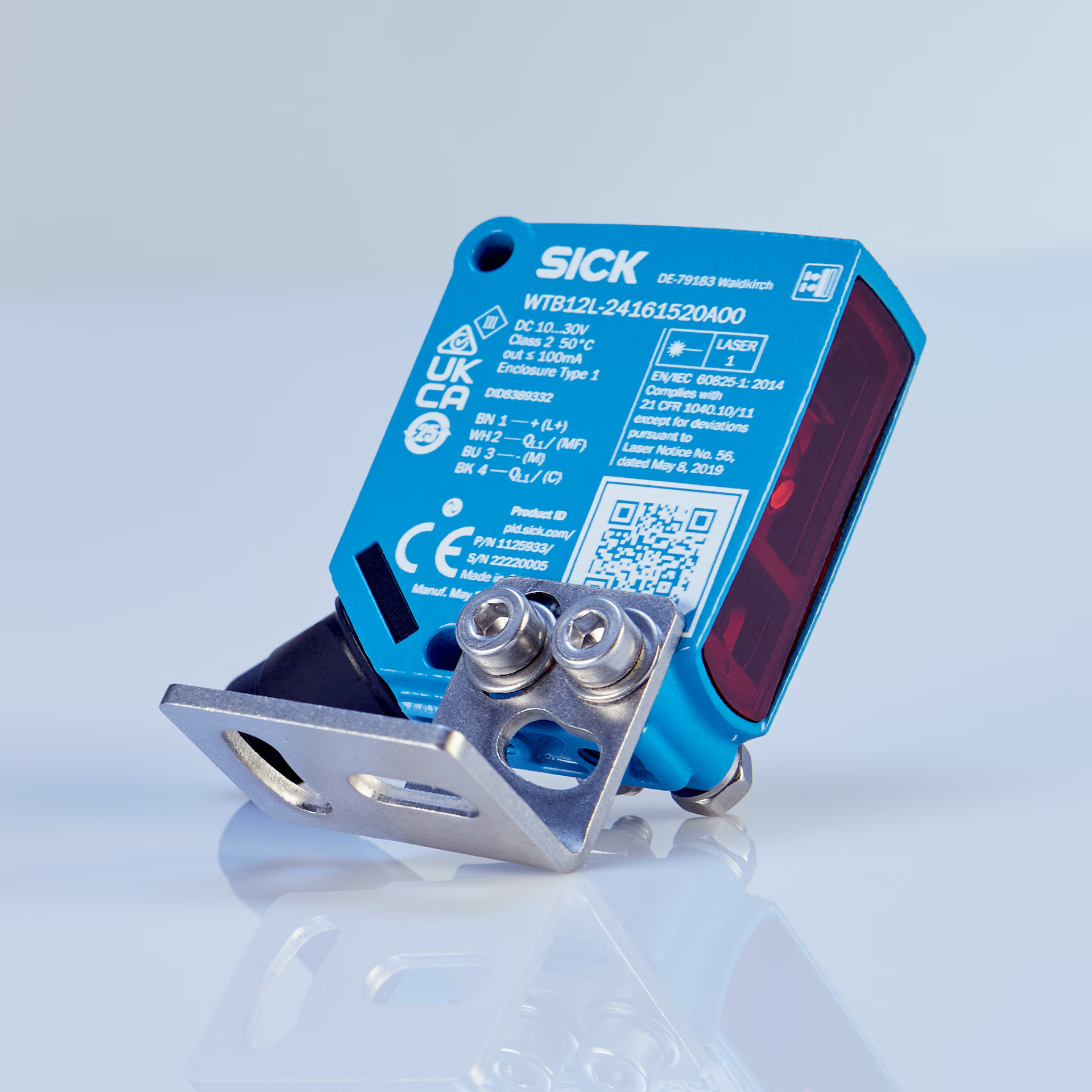

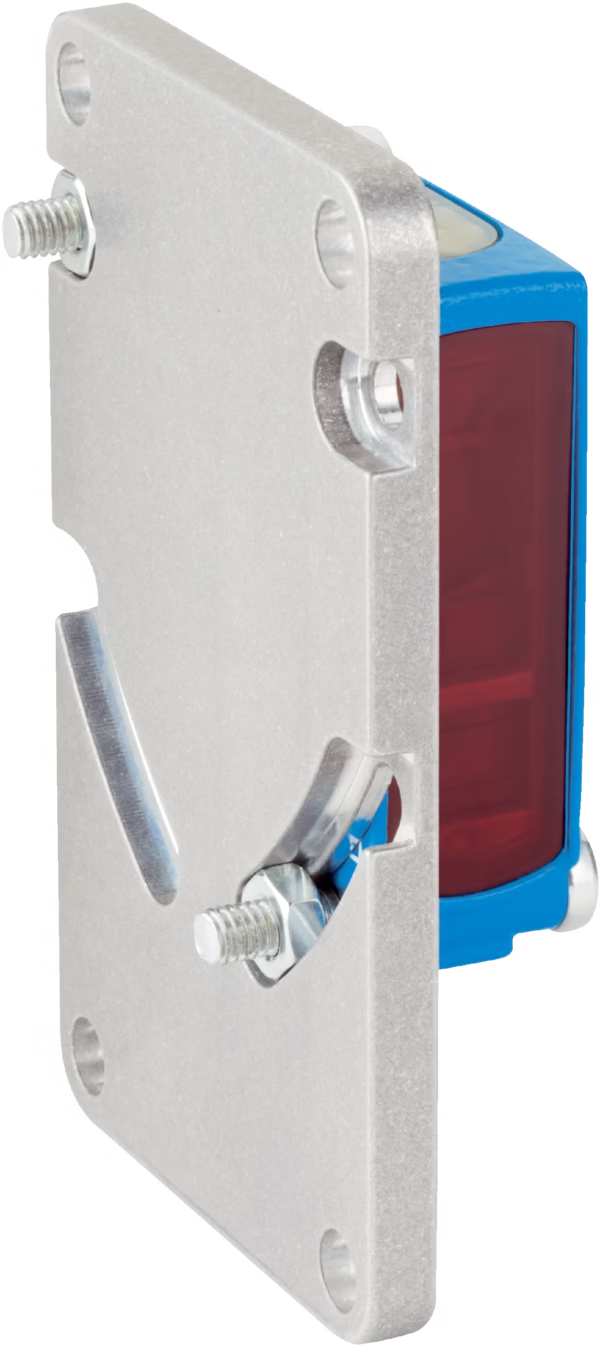
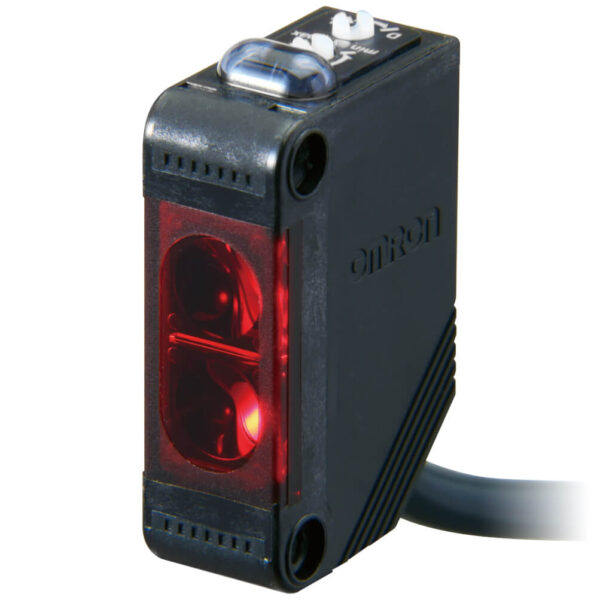
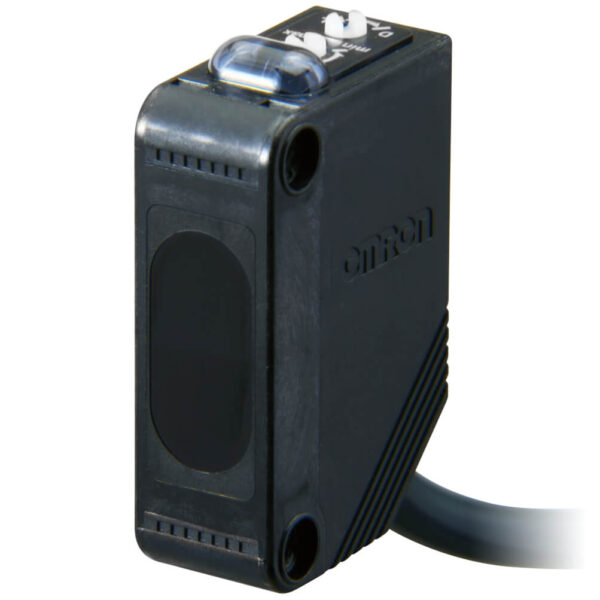
SICK W100 / W12 Series Photoelectric Sensor
SICK W100 / W12 Series Photoelectric Sensor (SICK W100 photoelectric sensor) for detecting objects with a light beam on conveyors, packaging lines and machines. Available in the UAE from Auzar.
Description
The SICK W12 Photoelectric Sensor delivers dependable non-contact optical detection, rugged metal construction, and superior ambient light immunity engineered specifically for automated packaging lines, conveyor transfer systems, automotive assembly cells, and harsh processing plants.
High-Performance Optical Detection with the SICK W12 Photoelectric Sensor
Recognized globally as an industrial automation benchmark, the SICK W12 Photoelectric Sensor combines high-performance optics with an exceptionally robust die-cast metal housing. Built to excel where standard plastic sensors fail due to mechanical shock or environmental stress, the sensor features SICK’s proprietary PinPoint LED technology, projecting a sharp, uniform, and focused light spot that simplifies installation alignment and guarantees reliable micro-part acquisition.
The series encompasses versatile operational modes including through-beam, retroreflective with autocollimation, and proximity variants with precise background suppression. Encased in a rigid zinc alloy body with scratch-resistant PMMA front optics, the unit conforms to IP66, IP67, and IP69K washdown specifications. This robust mechanical build ensures long-term operational integrity during high-pressure steam cleaning cycles, severe thermal cycling, and continuous chemical detergent exposure.
Key Features and Engineering Advantages
- Rugged Die-Cast Zinc Housing: Rigid all-metal casing provides superior mechanical shock resistance and thermal stability compared to conventional plastic sensors.
- PinPoint LED Technology: Projects an intense, highly concentrated light spot with uniform beam geometry for fast visual alignment and precise small-part verification.
- Zero-Distance Coaxial Optics: Autocollimation retroreflective models detect targets reliably from 0 mm right up to maximum range through narrow apertures.
- Sub-Millisecond Response Speed: Fast response times down to 330 µs and switching frequencies up to 1,500 Hz ensure synchronized high-speed line tracking.
- Comprehensive Ingress Protection: Certified to IP66, IP67, and IP69K for full protection against dust, water immersion, and 100 bar high-temperature washdowns.
Technical Specifications
| Technical Parameter | Specification Details |
|---|---|
| Product Series | SICK W12 Series Photoelectric Sensor (W12-3 / W12-2 / W100 Laser/LED) |
| Optical Sensing Types | Photoelectric proximity (WTB12, WTF12), Retroreflective (WL12), Through-beam (WSE12) |
| Maximum Sensing Range | Through-beam: up to 20 m; Retroreflective: 0 m to 7 m; Proximity (BGS): 20 mm to 800 mm |
| Light Emission Source | PinPoint Visible Red LED (640 nm) or Infrared LED (850 nm) modulated beam |
| Response Time | ≤ 330 µs (signal transit time with resistive load) |
| Switching Frequency | 1,500 Hz (with light/dark ratio 1:1) |
| Supply Voltage Range | 10 to 30V DC (ripple < 5 Vpp) |
| Control Output Stage | PNP or NPN open collector, complementary (NO + NC), max. load current 100 mA |
| Operating Mode Selection | Light-ON / Dark-ON selectable via rotary switch, potentiometer, or wiring |
| Sensitivity Adjustment | Precision 5-turn potentiometer or BluePilot teach-in button |
| Housing & Optical Materials | Die-cast zinc metal body; PMMA plastic optical front screen |
| Enclosure Protection Class | IP66, IP67 (EN 60529) and IP69K (DIN 40050-9 washdown) |
| Ambient Operating Limits | -40 °C to +60 °C (-40 °F to +140 °F); storage up to +75 °C |
Industrial Applications and Process Integration
The SICK W12 Photoelectric Sensor coordinates precise part detection and motion verification across demanding automated installations, including:
- High-speed conveyor package spacing, automated diverter sorting, and parcel arrival sensing.
- Packaging cartoning machinery, shrink-wrap seal verification, and case flap positioning.
- Automotive tooling jigs, robotic assembly arms, and stamped metal sheet orientation.
- Food, beverage, and pharmaceutical bottling lines requiring rigorous daily washdown protocols.
Frequently Asked Questions
What is the benefit of the die-cast metal housing on the SICK W12 Photoelectric Sensor?
Unlike sensors with thermoplastic enclosures, the die-cast zinc housing of the SICK W12 Photoelectric Sensor provides exceptional rigidity, impact tolerance, and thermal heat dissipation, preventing optical misalignments caused by bracket deformation or accidental machine collisions.
How does coaxial autocollimation benefit retroreflective sensing?
Autocollimation optics transmit and receive the optical beam along the identical optical axis. This eliminates blind zones and parallax errors near the lens, enabling the sensor to detect targets cleanly from 0 mm right in front of the lens up to several meters away.
Can the W12 sensor operate in sub-zero cold storage facilities?
Yes. The sensor is engineered for extended ambient operating temperatures down to -40 °C, ensuring reliable optical performance in freezer rooms, cold chain packaging lines, and unheated outdoor conveyor galleries.
Reviews (0)
Reviews
There are no reviews yet.





-
(0 customer reviews)